
Why Your Bookmarks Are Failing You (And What to Do About It)
Browser bookmarks were designed for a different era. Here's why they fail knowledge workers and researchers, and how to build a better system.
How many bookmarks do you have? Can you even remember? Can you use them, reference what they’re about?
What about your bookmarks from 10 months ago? 10 days ago?
If you have ADHD and Chronic Online-ism like me, or if you are just a heavy reader and accomplished researcher, your answers probably aren’t very positive.
The Bookmark Graveyard
Browser bookmarks are where great content goes to die. We’ve all been there:
- You find an amazing article on AI safety, pomeranians or electronic music production
- You bookmark it with good intentions, wanting to use it later in a blog, in some research or to discuss it with friends
- It joins the 2,000 other bookmarks you’ve saved in the place where information goes to die
- You never see it again
The average knowledge worker has over hundreds or thousands of bookmarks, and most are never revisited. This is information hoarding, not research.
Why Bookmarks Don’t Work
1. No Context
When you bookmark a page, all you save is a title and a URL. No notes about why you saved it. No connection to what you were researching. No way to remember what made it valuable.
Six months later, you see “The Future of Computing” in your bookmarks and have no idea if it’s about quantum computing, edge computing, or the history of mainframes.
2. Flat Organization
Bookmarks live in folders. Maybe you have a few—“Work,” “Personal,” “To Read.” But real research doesn’t fit neatly into folders.
An article about “AI in Healthcare” could belong in “AI,” “Healthcare,” “Tech Trends,” or “Work Projects.” With folders, you have to pick one. And you’ll never find it when you’re thinking about a different category.
3. Keyword-Only Search
Browser bookmark search only looks at titles and URLs. If you saved an article about “transformer architectures” but the title was “The Revolution in AI Language Models,” good luck finding it when you search “transformer.”
You might find an article about a bad Michael Bay movie, though.
4. No Integration
Bookmarks don’t talk to your notes. Or your documents. Or your read-later apps. Every tool is an island, and your knowledge is fragmented across all of them.
What You Actually Need
This is what you really need:
Semantic Understanding
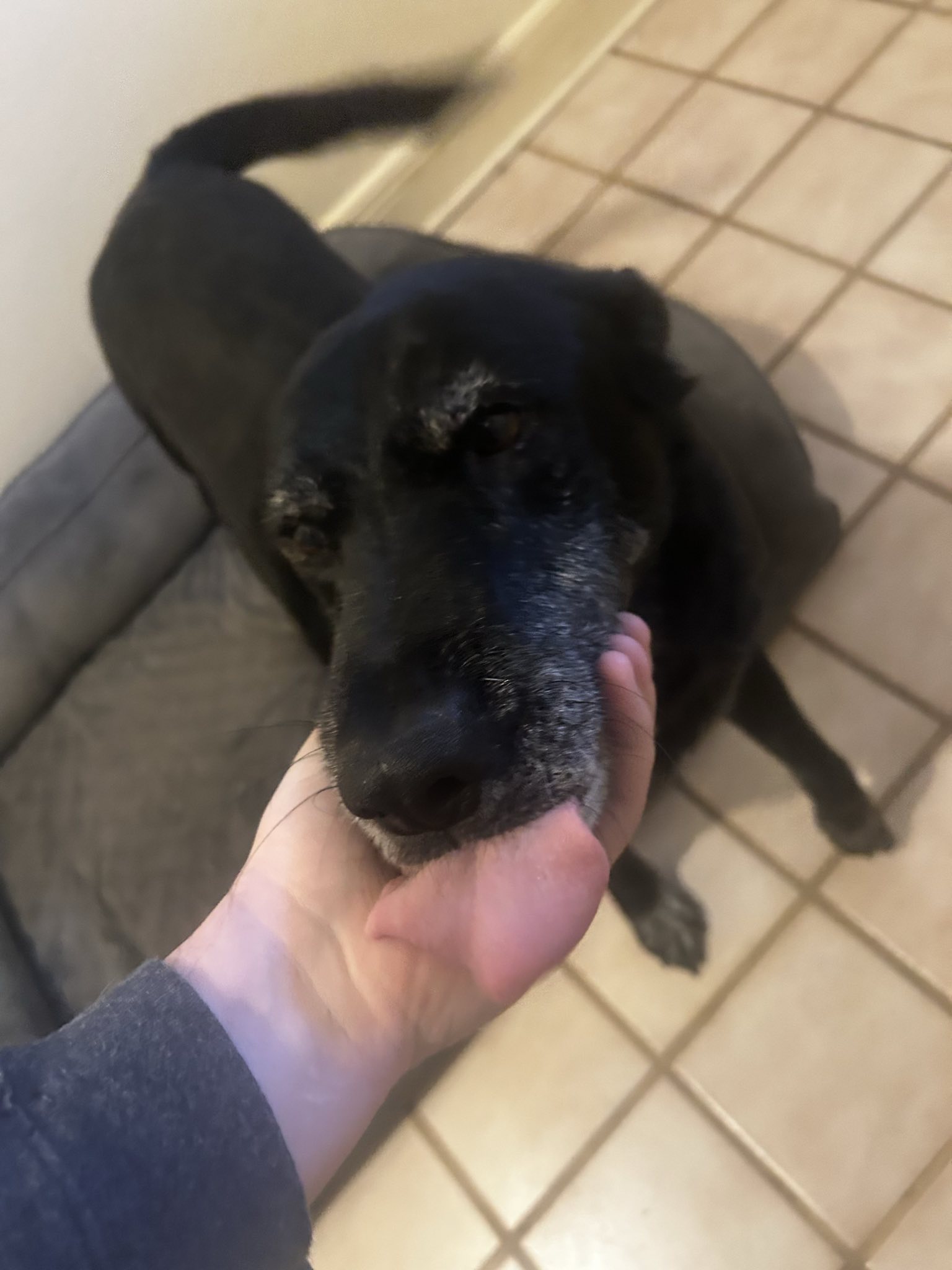
Search should find content by meaning, not just keywords. When you search “best dog breeds for young families” you should find that article about how evil poddles are, AND how awesome black labs are for kids, even if it never uses the phrase “young family.”
(I’m biased…)
Topic-Based Organization
Instead of rigid folders, group content by research topic. Topics can overlap. An item can belong to multiple topics. Your mental model of your research should match how the tool organizes it.
Full-Text Capture
Don’t just save URLs—save the content itself. Articles disappear. Paywalls go up. Websites shut down. Your research should survive the ephemeral web.
Intelligent Retrieval
Beyond search, you should be able to ask questions about your research. “What were the main arguments against universal basic income in the sources I saved?” Your tool should synthesize answers from your actual sources.
Building a Better System
This is exactly why we built ScrollWise.
Instead of a bookmark graveyard, you get a living research repository:
- Topics instead of folders—organize by what you’re researching
- Full content extraction—save the article, not just the URL
- Semantic search—find content by meaning
- AI queries—ask questions, get answers with citations
Your bookmarks deserve better. Your research deserves better.
Try ScrollWise free and see the difference.
What’s your bookmark horror story? We’ve heard some doozies. Share yours on X with the hashtag #SaveMeScrollwise.